
A year between responsibility, reality and confidence
In conversation with Henning von Stechow and Katharina Beyer
2025 was no ordinary year for Prokon Regenerative Energien eG. It was a year marked by both tailwinds and headwinds: operational progress, strategic decisions, but also economic and political conditions that have become more demanding. In conversation, Henning von Stechow and Katharina Beyer look back – and assess what 2026 means for Prokon, its members, and the energy transition as a whole.
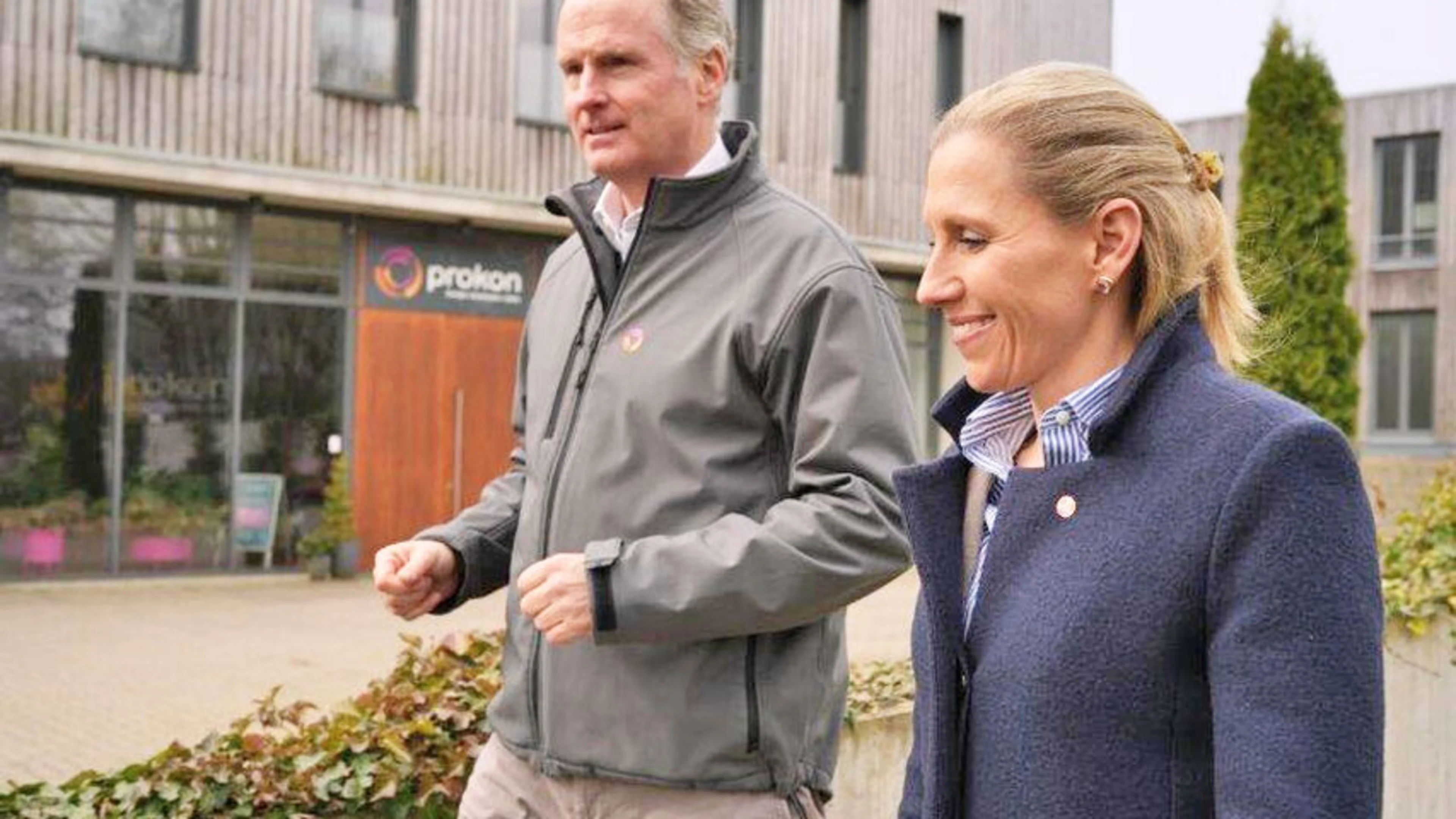
Rückblick 2025
When you look back on 2025 – what were the most important highlights for you?
Henning von Stechow:
A very special moment for us was our anniversary: 30 years of Prokon, 10 of those as a cooperative. It was more than just a festive occasion – it was proof that our model is sustainable, even under changing conditions. I was especially pleased that we were able to further strengthen our community: with over 41,000 members, we are one of the largest energy cooperatives in Europe. More than 1,200 new members chose to support the Prokon idea last year. This trust is by no means something we take for granted – especially in an environment marked by uncertainty.
Katharina Beyer:
Operationally, 2025 was a year of significant progress. We obtained key BImSchG permits for wind energy projects totalling 131 MW and secured awards for 124 MW in EEG tenders. This demonstrates that we are technically and organisationally capable of concretely implementing the energy transition – even though the overall conditions have become more challenging.
What role did the international business play in 2025?
Henning von Stechow:
An important one – above all as a stabilising factor. In Finland, we were able to achieve successful project development revenues through the sale of a wind farm. In Poland, we secured further permits and grid capacities and achieved a very solid operational result. In Spain, several PV projects made decisive progress in the approval processes. Internationalisation remains a strategic element for us – however, one approached with prudence and a clear economic rationale.
Katharina Beyer:
Diversification made us more robust overall in 2025 – and not just regionally. The broad value chain in Germany is also increasingly contributing to our stability. Active electricity marketing is playing an ever-greater role, and we are also making good progress in providing technical services for third parties. At the same time, it remains clear: our core focus continues to be in Germany, where our roots and strongest impact lie.
Challenges and classification
But 2025 was not an easy year either. What were the biggest challenges?
Katharina Beyer:
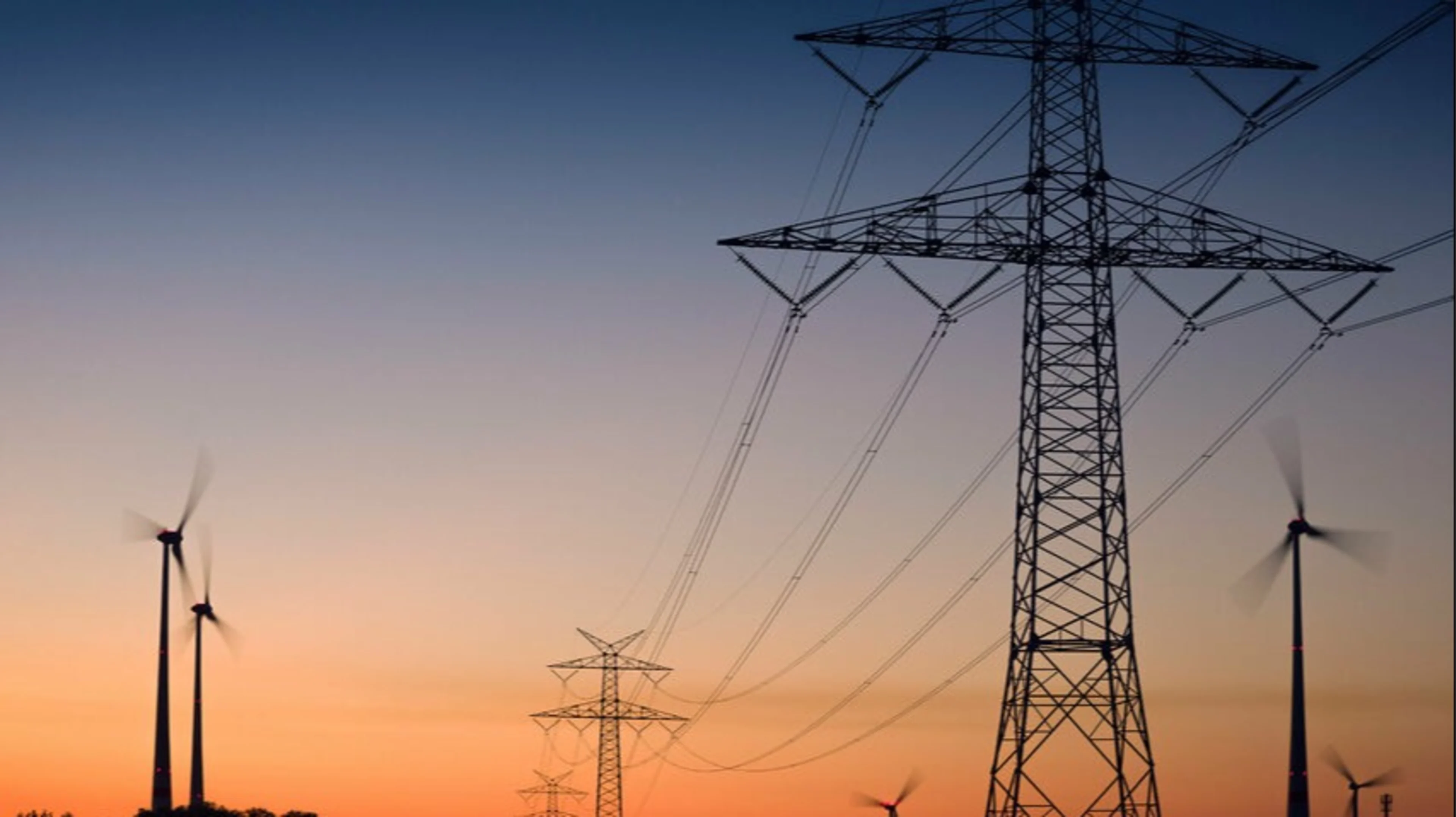
Quite clearly with regard to external conditions. The unusually weak wind conditions have economically burdened us – as they have the entire industry. On top of that came significantly rising costs, for example due to more complex planning and approval procedures, higher construction and material prices, and especially expensive grid connections. These factors affect both project developers and operators alike.
Henning von Stechow:
In addition, there is political and regulatory uncertainty, which makes investments more difficult. Discussions about expansion targets, support mechanisms or additional requirements mean that projects have to be economically re-evaluated. However, planning certainty is the foundation of every long-term infrastructure investment – and precisely this certainty was not always present in 2025.
Against this background: Why did Prokon discontinue the biomethane business segment?
Katharina Beyer:
First of all, it is important to put things into context: biomethane was not a major established business area at Prokon, but rather a business development project with a small team and two pilot projects. We thoroughly examined this area and had to conclude that, under the current regulatory and economic conditions, a viable business case could not be established. As a cooperative, we are committed to using our members’ capital responsibly. This is not a fundamental rejection of flexible generation or system relevance. On the contrary – flexibility remains a central building block of the energy transition.

"We are focusing on the areas in which we can operate economically and effectively: wind, solar, storage in a meaningful combination, and intelligent marketing of our electricity."
Henning von Stechow, Vorstandsvorsitzender der Prokon eG
Einordnung: Energiewende zwischen Konsens und Realität
There is professional consensus that we need more renewable generation. At the same time, the framework for expansion is becoming more challenging. How do you view this?
Henning von Stechow:
There is broad expert consensus regarding the need for electricity and the fundamental need for expansion. At the same time, we are seeing increasingly divergent discussions – both politically and socially – about volumes, timing, and implementation. The real question is therefore no longer “if” but “how”. Permits, grids, economic viability, and public acceptance will determine whether expansion succeeds or stalls.
Right now, project developers and operators are facing a very concrete question: whether renewables can remain economically viable under the current conditions. Rising costs are clashing with falling feed-in revenues – this changes the calculations.
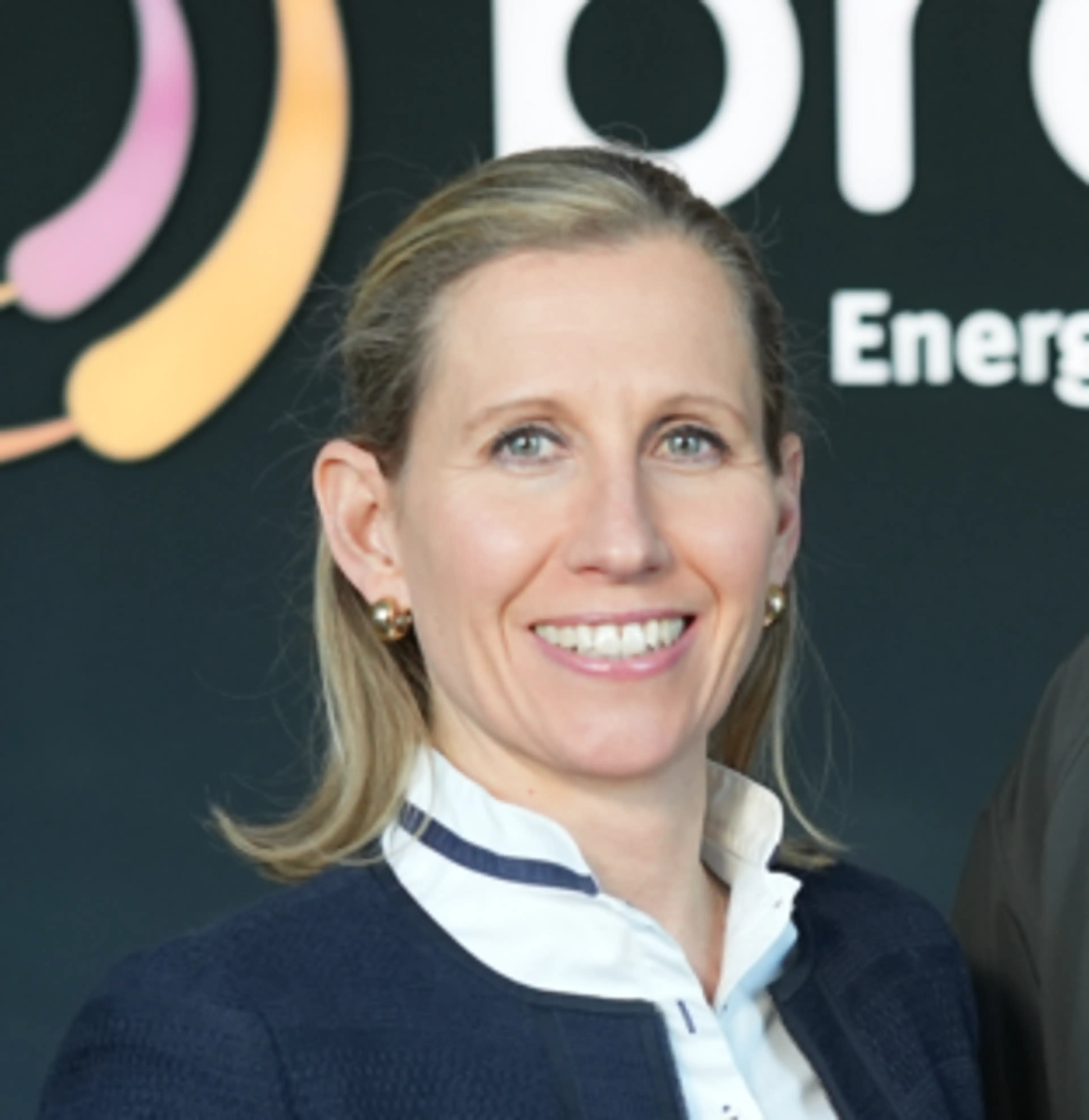
"Our answer is: Yes, renewables remain a viable business model, but not under every return expectation and not without clear prioritisation. That is precisely why we have sharpened our strategy."
Katharina Beyer, Vorständin der Prokon eG
Ausblick 2026: Fokus, Stabilität und Verantwortung
What gives you confidence when looking ahead to 2026?
Katharina Beyer:
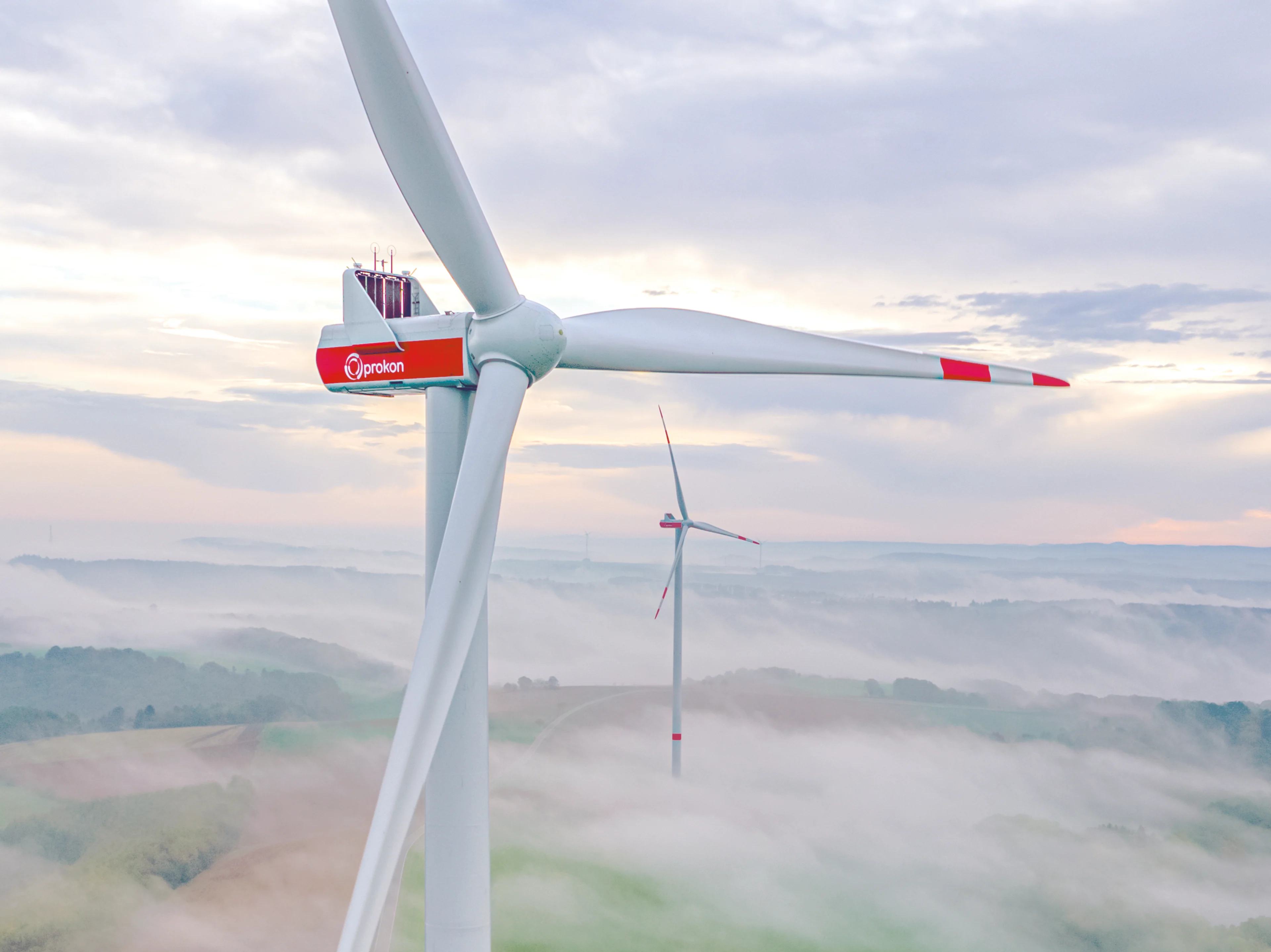
Our project pipeline remains well filled. For 2026, we are expecting further permits and project awards, particularly in the onshore wind sector. A key focus will be repowering: more powerful turbines at existing locations are a central lever for increased yield and system efficiency. In Fleetmark, we are currently beginning to dismantle older turbines to make room for new ones and to boost electricity production from the current 30 million kWh to 125 million kWh.
Henning von Stechow:
What makes me particularly optimistic is our community. We are entering the new year with over 41,000 members, and the number of our electricity customers continues to grow. In 2026, we will also be able to supply larger commercial consumers directly from our own generation facilities for the first time via RLM contracts – transparently and without questionable certificates of origin. What matters is not only the breadth of our base, but also our substance: in terms of installed capacity and cooperative capital, we are currently the largest energy cooperative in Germany. This gives us the opportunity to continue investing even under challenging conditions.
Wo seht ihr die größten Herausforderungen für 2026?
Henning von Stechow:
Grid expansion remains a central bottleneck. Without reliable and timely grid connections, even approved projects are of little help. At the same time, the economic viability of projects will be one of the major challenges – given high costs and volatile revenues. Both factors together determine whether investments can be realised.
Katharina Beyer:
Internally, this means continuing to prioritise, manage risks carefully and communicate openly. Growth at any cost has never been our objective. As a cooperative, we can cope with lower margins because our members focus on long-term stability and impact. Our goal is responsible, economically sustainable growth – in the interest of our members and the energy transition.
Conclusion
What message would you like to share with members, customers, and partners at the start of 2026?
Katharina Beyer:
We thank you for your trust – especially in a year like 2025. This trust is our most valuable asset and the driving force behind our daily work.
Henning von Stechow:
The energy transition is not something that happens on its own. But it is achievable if we shape it realistically, economically sustainably, and together. Prokon stands for exactly that – and we will continue to work towards it in 2026.