From Grid Connection to the Heat Transition: Prokon Discusses the Infrastructure of the Future
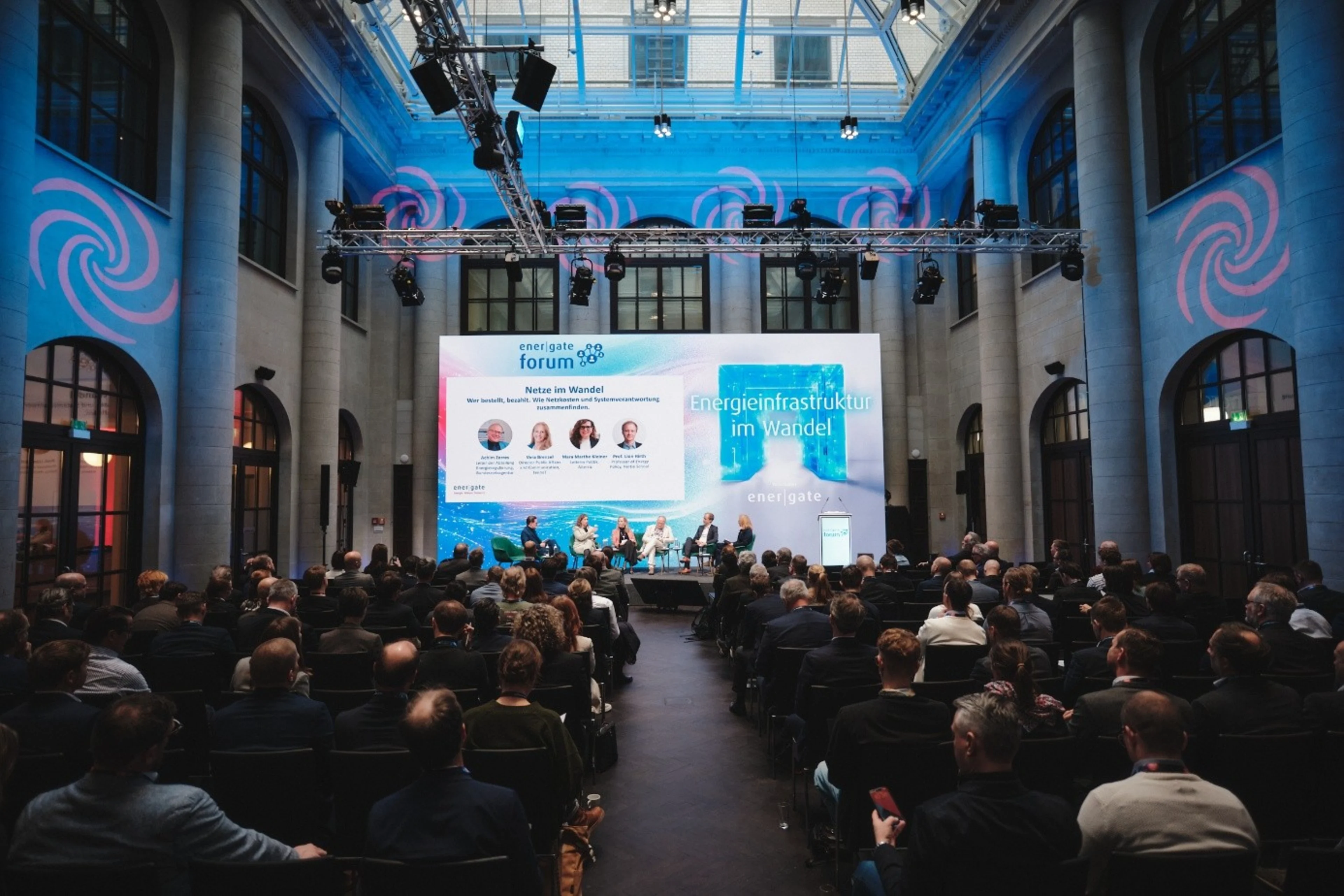
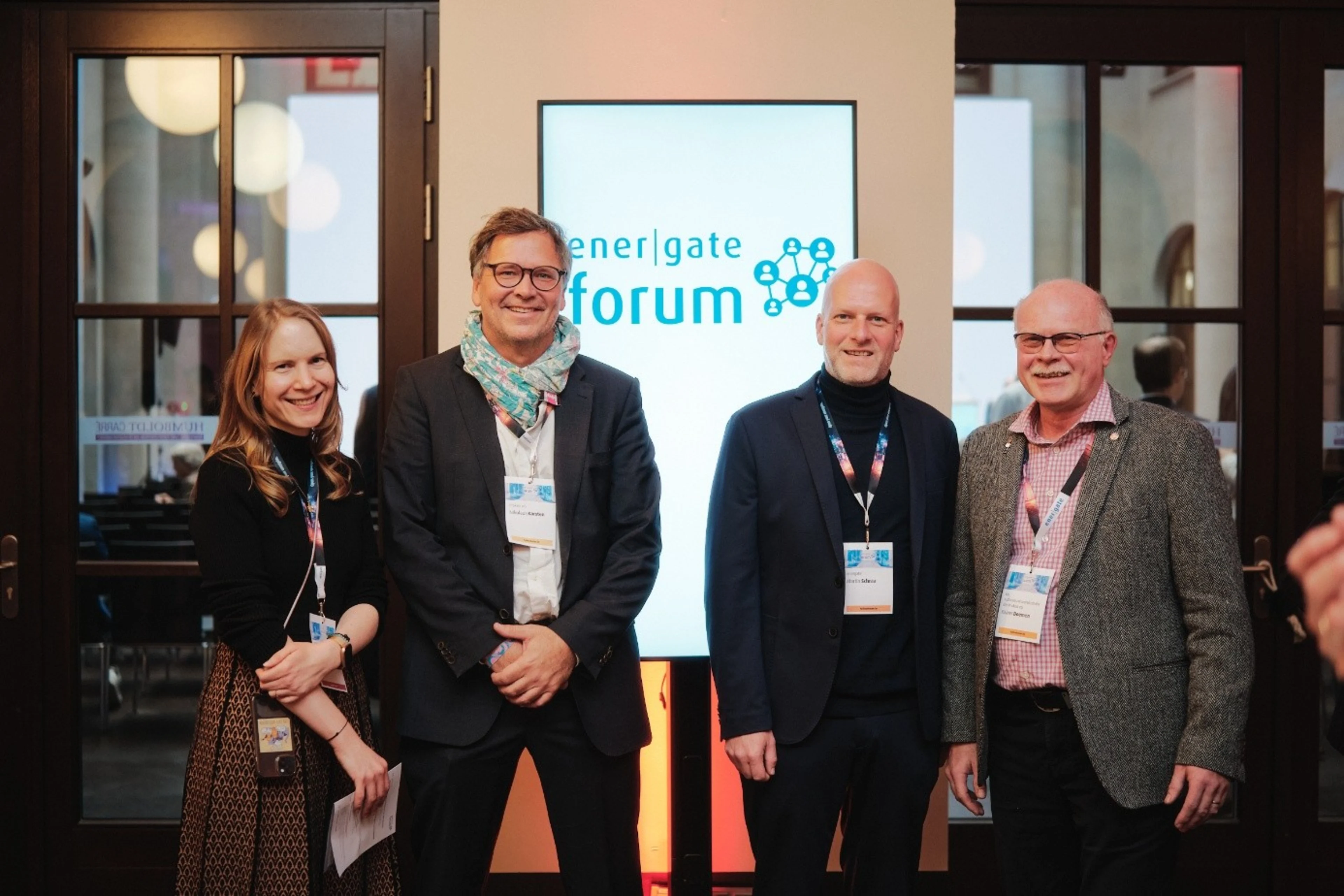
Around 150 decision-makers from the energy sector, industry, consultancy, and associations gathered on 26 November 2025 at the Humboldt Carré in Berlin for the energate forum "Energy Infrastructure in Transition" – among them our Supervisory Board members Rainer Doemen and Nikolaus Karsten. The conference made it clear: without clear political frameworks and accelerated procedures, the transformation of the energy infrastructure risks coming to a standstill.
The centre of the debates was the urgently needed expansion of electricity and gas networks. This is necessary in order to balance regional differences in the development of renewable energies and to cope with the increasing electrification of the heating and mobility sectors. At the same time, the infrastructure must be prepared for the use of hydrogen. The reform of grid connection procedures was discussed as particularly pressing. Participants described moving away from the current “first come, first served” principle as long overdue.
Karsten asked whether, given the bottleneck in Berlin’s electricity supply, it might in the future be possible to “drive straight into the city via the country road” (i.e. the distribution network). So far, Berlin is only connected via the “motorway” (the transmission network), and numerous projects in Berlin – such as data centres and large-scale heat pumps – are unable to obtain a sufficient electricity connection.
This “country road” option was affirmed by Achim Zerres, Head of the Energy Regulation Department at the Federal Network Agency, and could open up new opportunities for us at Prokon, as we are increasingly involved in constructing power lines and building substations in order to even be allowed to feed into the grid. In the future, battery storage systems can also take on the important task of frequency regulation (= secure electricity supply).
Municipal heat planning was highlighted as a key instrument for decarbonisation, although industry representatives pointed to a lack of data, unclear guidelines, and an unstable legal framework as obstacles. However, it is already clear who can deliver the cheapest energy in winter: the wind.
The energate forum demonstrated: representatives of the energy sector signalled their willingness to take responsibility and promote innovative approaches. At the same time, they called for decisive political action to successfully shape the transformation process.
Rainer Doemen received a great deal of approval when he called on the political discussion panel to finally implement the many points that are no longer subject to controversial debate on a cross-party basis. By behaving in this way, politics sends out confidence-building signals to tens of thousands of stakeholders who, with great expertise and high-risk preliminary investments, want to help shape the transformation of our energy system towards renewable energies and storage.
At the energate forum, decision-makers from the energy sector, industry, and politics meet twice a year. The event provides professionals and executives with a platform for current discussions on the climate transformation of industry. At the same time, experts offer insights into current energy and industrial policy initiatives, thereby offering guidance to help make the right decisions for their businesses.