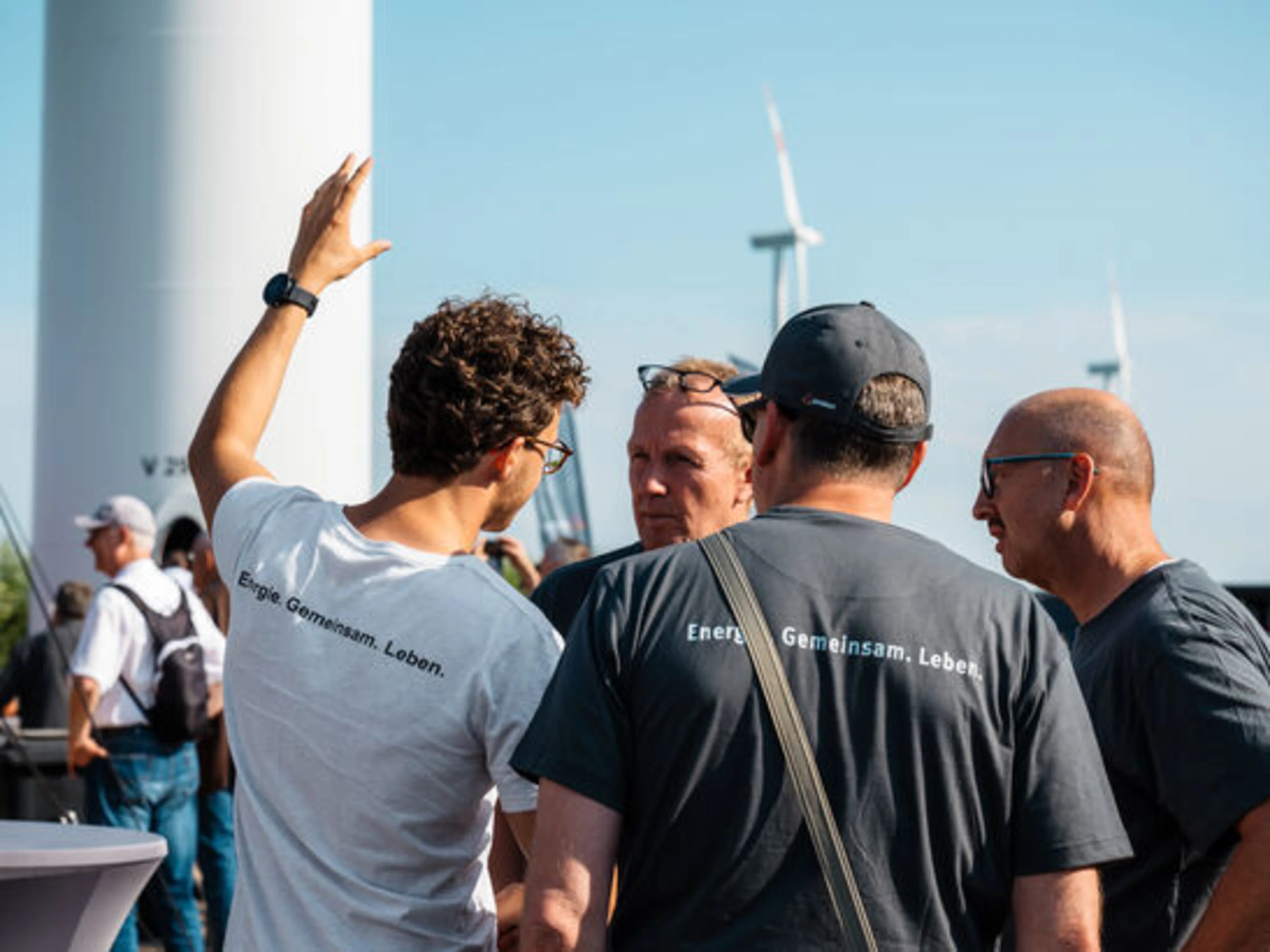
Prokon signs joint position paper on energy sharing
Energy sharing can bring the energy transition closer to people: electricity from regional wind and solar installations can be used collectively. Prokon has therefore signed a joint position paper calling for simple digital processes, strong community energy, and a practical implementation of energy sharing in Germany.
With energy sharing, people share electricity from renewable generation installations in their region. This creates a direct link between generation and consumption: citizens can use electricity from wind or solar installations collectively, strengthen local value creation, and better align their consumption with times of high renewable electricity generation.
Positionspapier Energy Sharing herunterladen
Energy Sharing kommt: Unser Vorschlag für leistungsfähige digitale Prozesse
Energy sharing needs simple processes
With Section 42c of the German Energy Industry Act (EnWG), the legal basis has been created to implement energy sharing in Germany. Grid operators are expected to enable energy sharing from 1 June 2026. What matters now is how the necessary energy-sector processes will be designed in practice.
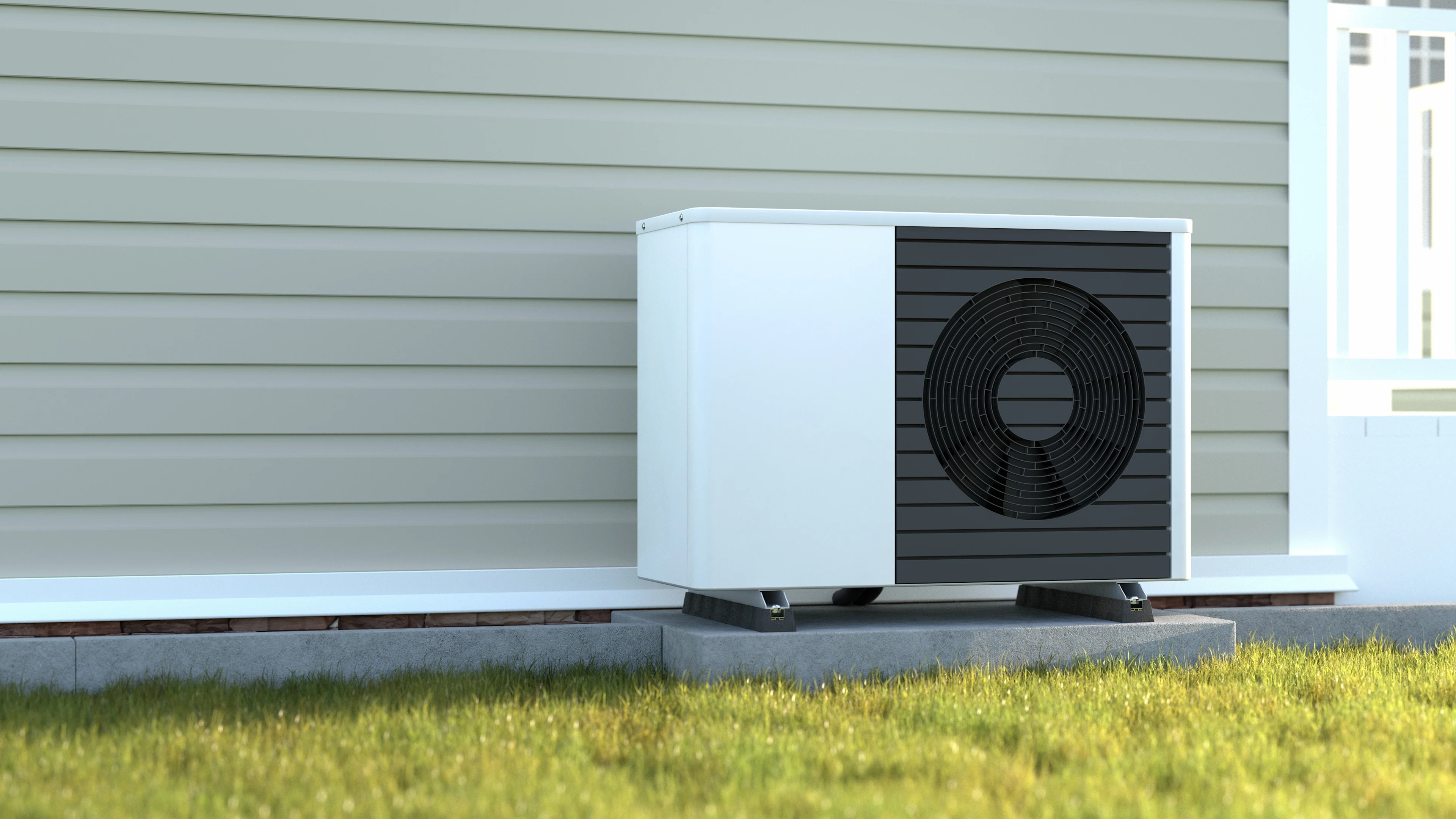
The BDEW proposal currently under discussion is, in the signatories’ view, an important first step, but it does not go far enough. Among other things, it provides that electricity may come from only a single generation facility. In addition, flexible consumers such as electric vehicles, heat pumps or battery storage systems would be excluded.
Yet it is precisely these flexibilities that are important for making better use of locally generated electricity. If electricity consumption is deliberately shifted to times of high renewable generation, not only do the participants benefit, but the energy system does too.
Virtual balancing as a supplementary solution path
The position paper therefore proposes that, alongside the BDEW model, the implementation of Energy Sharing should also be made possible via so-called virtual balancing areas. This model builds on existing energy market processes that are already used today in electric mobility.
The advantage: several installations within an energy community could be grouped together, flexible allocation keys could be used, and consumers such as electric cars, heat pumps or battery storage systems could be sensibly integrated. At the same time, grid operators could be relieved, as existing standards and specialised service providers could be used.
This would enable Energy Sharing to be implemented more quickly, more effectively and in a way that is closer to the needs of citizen energy projects.
Strengthen community energy, use regional green electricity
For Prokon, energy sharing is more than a technical process. It is about involving people more strongly in the energy transition and making renewable energy usable where it is generated.
As a citizens’ energy cooperative, Prokon therefore supports the proposal to implement energy sharing in a practical and digital way. Energy sharing can strengthen citizens’ energy: emotionally, because people know which facilities their electricity comes from; economically, because regional value creation remains in the local area; and systemically, because consumption and generation can be better aligned.
Prokon signed the joint position paper on 20 May 2026 together with other stakeholders from citizens’ energy, the energy industry and civil society. The signatories include, among others, the bne Federal Association of the New Energy Industry, the Federal Office for Energy Cooperatives at the DGRV, the Citizens’ Energy Alliance, Bürgerwerke, Green Planet Energy and Germanwatch.
The joint demand: energy sharing must not remain a minimal solution. If regional green electricity is to be used truly collectively, digital processes are needed that enable rather than hinder it.