
Prokon kritisiert Bundesregierung – Energiewende in Gefahr
Since the beginning of the week, the industry has been discussing the first draft of the 2026 Grid Package for the re-regulation of grid access for renewable energy. Prokon issues a stark warning: if the draft were to become law, investments in the energy transition would be at risk, and the expansion of renewables would be severely slowed down.
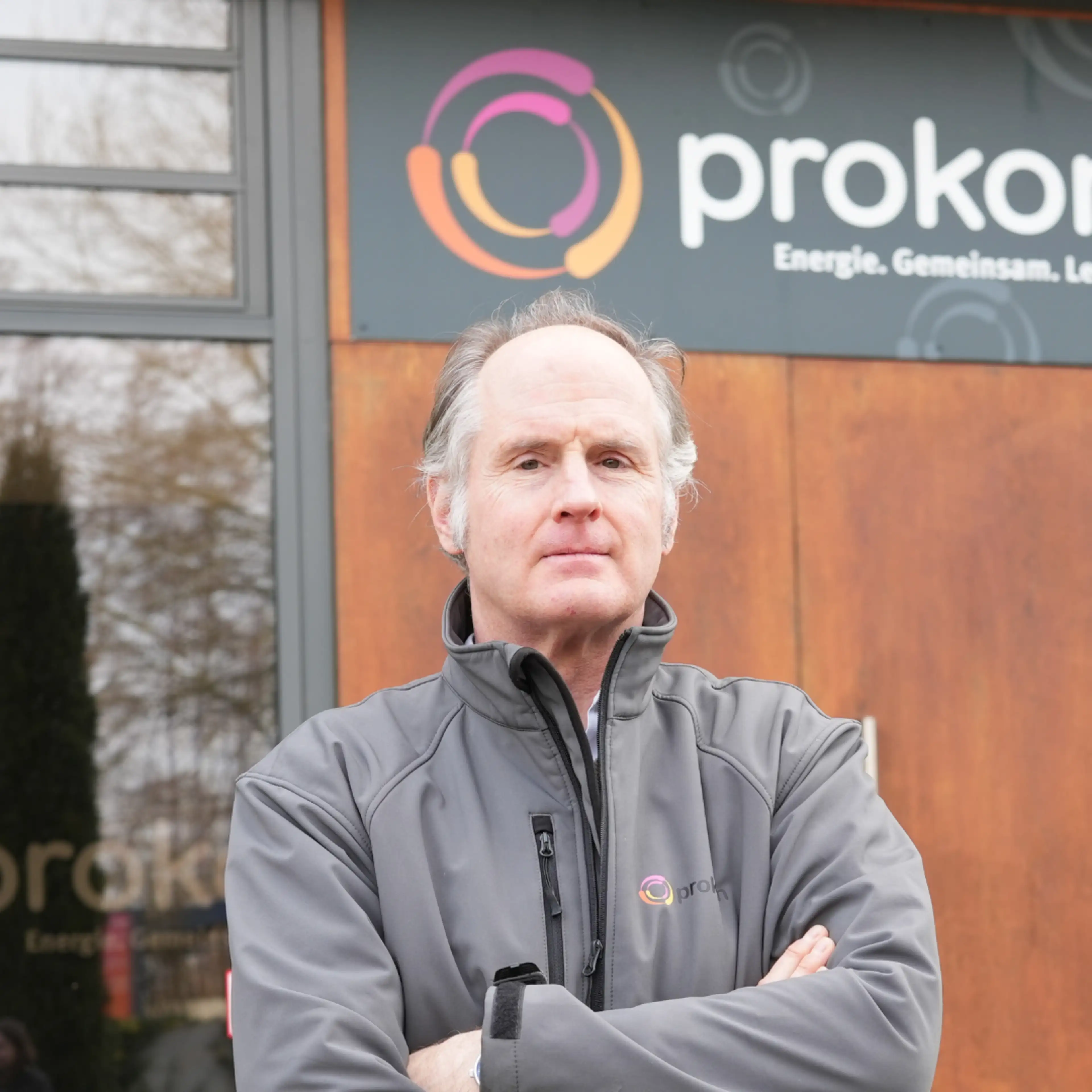
"To this day, we do not know which rules will apply to our projects from 2027 onwards. Every day, we invest in the development of our project pipeline – and we are working on projects that may no longer have a future. This uncertain situation must change."
Henning von Stechow, Vorstandsvorsitzender der Prokon eG
From Prokon's point of view, there are three key areas where the federal government urgently needs to make improvements:
Compensation mechanism for curtailments of renewables
A binding compensation mechanism is needed for the curtailment of renewable energy generation plants, with clear transition periods – including in regions with very high generation capacity. “The proposed regulation would make generation projects uneconomical in areas where, in the long term, electricity can be produced most cost-effectively,” said von Stechow.
Kostenbeteiligung am Netzausbau
Die Regeln zur Kostenbeteiligung am Netzausbau müssen transparent und volkswirtschaftlich sinnvoll sein, ohne kleine Akteure und Bürgerenergieprojekte zu benachteiligen. „Wenn kleine Betreiber aus dem Markt gedrängt werden, reduziert das dezentrale Teilhabe, schwächt den gesellschaftlichen Rückhalt und führt zu weniger lokalem Engagement beim Ausbau“, warnt von Stechow.
Netzanschluss-Regelung
Die geplante Netzanschluss-Regelung darf nicht zum Wachstumshemmnis werden. Wenn Netzbetreiber Anschlussbegehren depriorisieren können, drohen Intransparenz, politisierte Standortentscheidungen und Rechtsunsicherheit. „Die Energiewende braucht Mut und Tempo. Aber sie braucht vor allem verlässliche Rahmenbedingungen“, betont von Stechow.
In addition, Prokon calls for reliable and clear framework conditions for the sector. By 2027 at the latest, a new EU state aid-compliant support system for renewable energies must be in place to ensure that investments remain viable. There must be clear rules for switching between government subsidies and power purchase agreements (PPAs), as well as a focus on cost reduction through grid expansion, digitalisation and flexibility.
At the same time, von Stechow warns of declining public support for the energy transition: “We must convey that a power supply based on renewable energies and a competitive economy are not contradictory, but rather mutually reinforcing.”
Prokon makes it clear: the energy transition is not an ideological project, but an economic, social, and security policy necessity. “If we invest wisely now, we could have one of the most affordable, greenest, and most digital energy systems in the world within five to ten years – for the benefit of industry, citizens, and the country,” says von Stechow.
Prokon’s message to the federal government is clear: focus, speed, and clear rules are necessary to successfully implement the energy transition – especially for citizen energy projects, grid expansion, and the promotion of renewable energies from 2027 onwards.
You can read about the demands Prokon made at the Federal Congress on the Cooperative Energy Transition (DGRV) at the end of January 2026 in the website news: