
Heating transition at home
Anyone who invests in a heat pump today is also protecting themselves in the long term against rising heating costs. With the right Prokon heat pump tariff, you can also run your heat pump on green electricity. With a comprehensive advisory service in cooperation with Green Planet Energy, we support the switch to future-proof heating solutions.
Heating with electricity from renewable energies – and saving costs
Heat pumps are regarded as a key technology in the heating transition. They use ambient heat from the air, ground or water and convert it into heating energy with the help of electricity — ideally from renewable sources. They are therefore significantly more efficient and produce less CO₂ than conventional heating systems that burn fossil fuels such as gas or oil.
At the same time, switching also makes financial sense: in view of rising CO₂ prices and falling numbers of users on the gas grid, heating costs using fossil fuels will become significantly more expensive in future. Heat pumps, by contrast, benefit from government subsidies of up to 70% and lower grid charges — particularly when used in a controllable way with a separate meter.
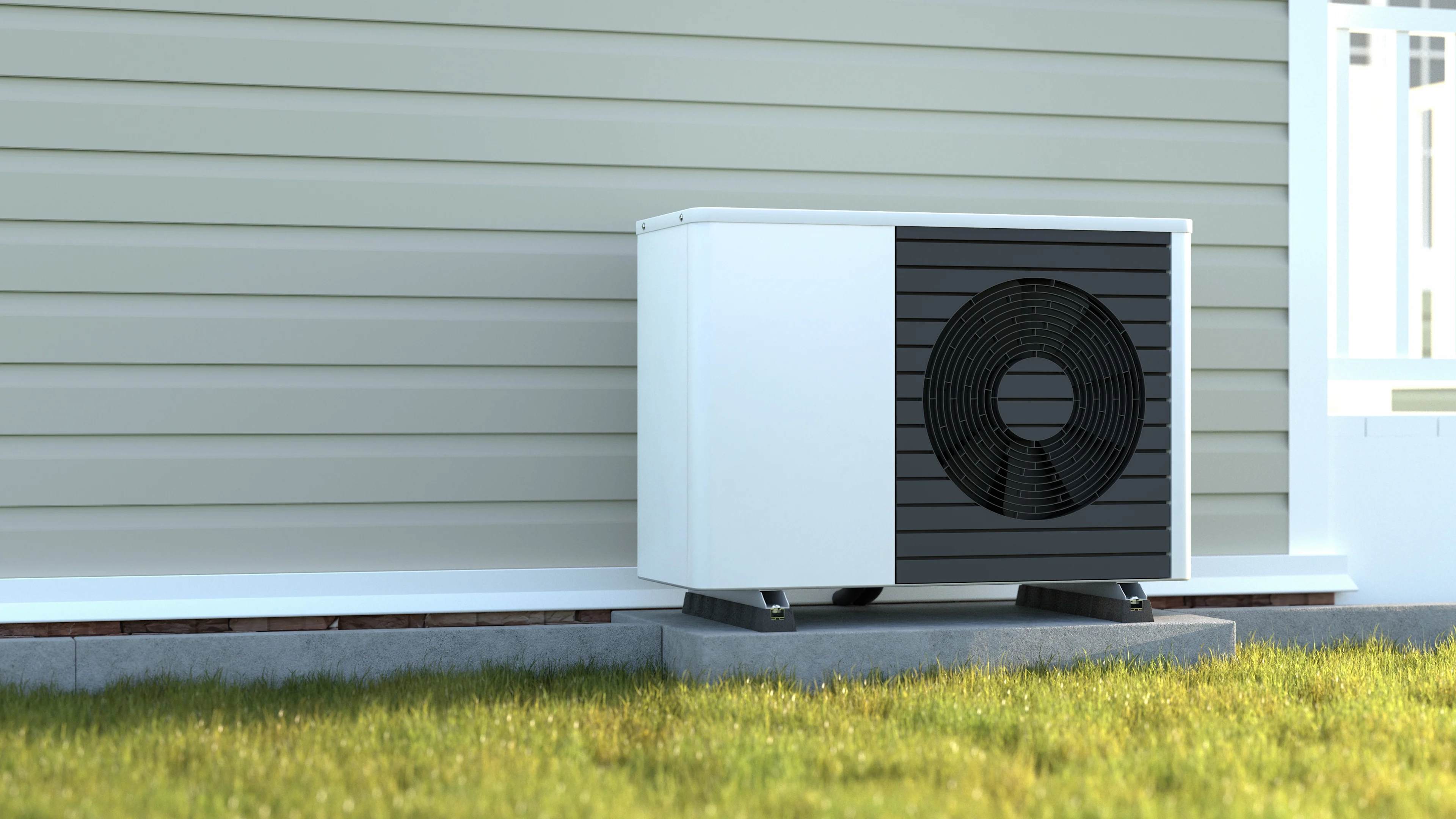
Prokon offers the right tariff – and advice to go with it.
To ensure a smooth transition, Prokon, in cooperation with Green Planet Energy, offers a consultancy service focused on heat pumps and their effective integration into existing building structures. In addition, the Prokon heat pump tariff provides a specially tailored electricity plan – naturally with 100% green electricity from Prokon wind power plants. Even when measured jointly with household electricity consumption, heat pump users have benefited from reduced grid charges since 2024.

"Whether it's a heat pump, wallbox or storage system – the meter cabinet today is as individual as a wardrobe. We meet these varying requirements with tailor-made tariffs and transparent pricing."
Joscha Wurzel , Product Manager at Prokon


Controllable consumption devices: No reason to worry
Even greater savings potential for heat pumps and wallboxes:
In order to ensure grid stability and promote the expansion of controllable consumption devices such as heat pumps and wallboxes, new legal regulations have been in place since 1 January 2024. These regulations stipulate that such devices must now be installed in a way that allows the grid operator to intervene temporarily in the event of impending grid overload – for example, by briefly reducing their power output. In practice, however, consumers do not need to worry about any loss of comfort. Power will be reduced to a maximum of 4.2 kW – normal household electricity is not affected. In everyday life, this simply means that the full charging power from the wallbox or the full heating output from the heat pump may not be available for a short period – usually without any noticeable restrictions.